





Customer journey mapping for small business
In short
- A customer journey is every step a person takes with your business, from first hearing about you to buying again
- Map one typical customer with one goal first, rather than everyone at once
- The value of a journey map is the friction it exposes, not how polished it looks
- Every stage needs an owner, a message and a clear action in your systems
- A CRM whose stages mirror the journey shows where customers stall and triggers the right next step
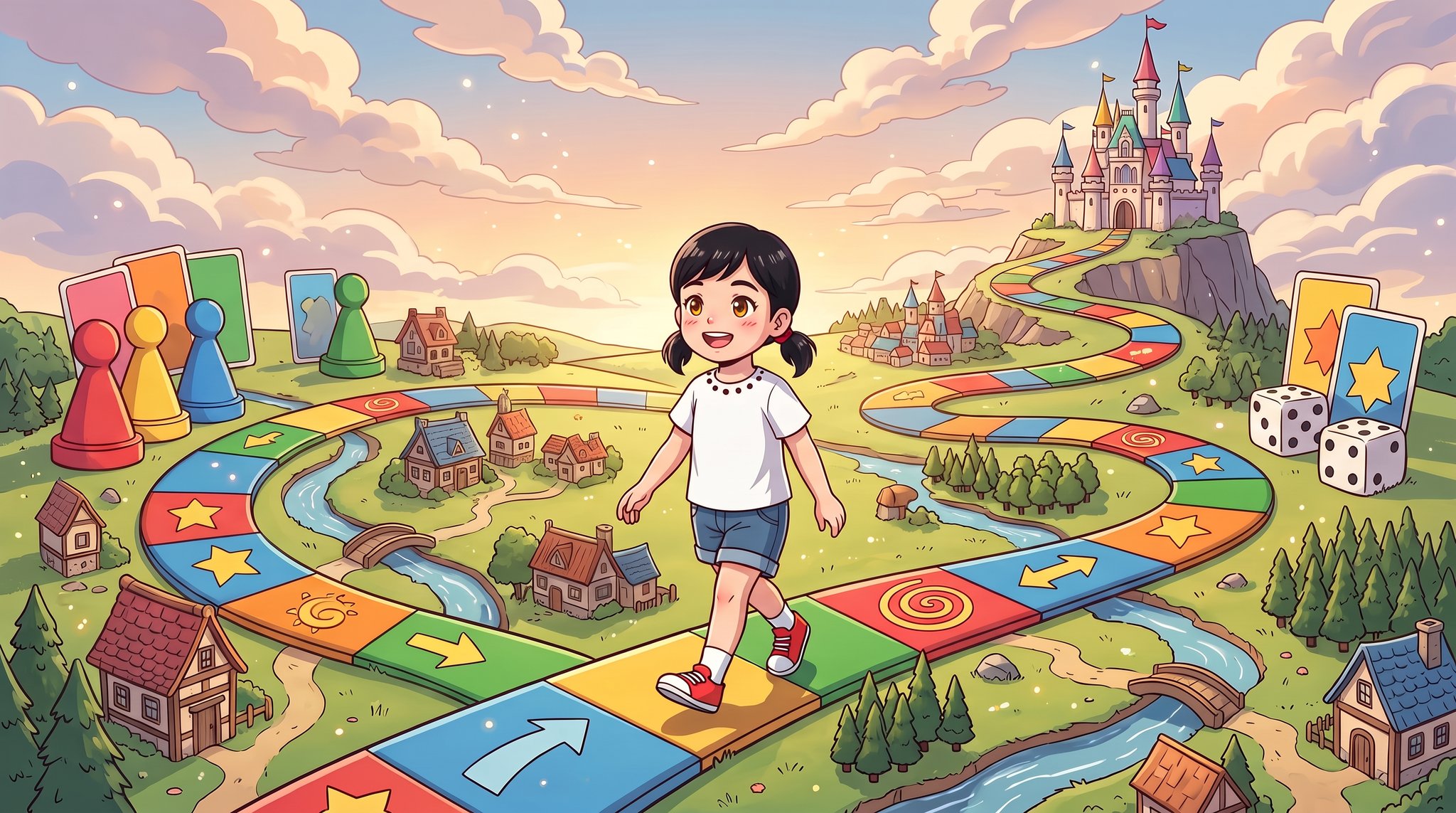
A customer journey is the full path someone takes with your business: from the moment they first hear about you, through enquiring, buying and being looked after, to coming back or recommending you to a friend. Customer journey mapping means writing that path down step by step, from the customer’s point of view, so you can see where they hesitate, wait or give up. Once you have the map, you fix the friction and attach a clear action to every stage.
What is a customer journey, and why should a small business map it?
A customer journey is your business seen from the outside. It is worth mapping because, from the inside, it is almost impossible to notice the moments where customers slip away.
Take an independent veterinary clinic. The vets know the care is excellent and the team is kind. A new pet owner experiences something different: they search for a vet nearby, land on a site that is slow on their phone, cannot find opening hours for Saturday, call during a busy surgery and get no answer, then send a WhatsApp message that is answered the next morning. By then they have booked elsewhere. Nobody at the clinic ever knows they were there.
A journey map exposes exactly these moments. It also shows that the journey does not end at the sale. How a customer is welcomed, reminded, asked for feedback and invited back is as much part of the journey as the ad that first brought them in.
How is a customer journey different from a sales funnel?
A funnel looks at your business from the inside and asks how many people move from one stage to the next. A customer journey looks from the outside and asks what the customer does, thinks and feels at each stage, and where it breaks for them.
The two tools work together. The funnel tells you where people drop off; the journey tells you why. If you want the numbers side, our guide to the marketing funnel explains how to build a path from first click to closed deal. The other big difference is scope: most funnels end at the sale, while a customer journey keeps going into service, repeat purchases and referrals.
What are the stages of a customer journey?
Most small businesses can work with six stages. The labels matter less than the question the customer is asking at each one.
- Awareness: “I have a problem. Who can solve it?” They meet you on Google, social media, through a referral or an ad.
- Consideration: “Can I trust them?” They read your site, check reviews, compare and ask questions.
- Decision: “How do I get started?” They fill in a form, message you, book or ask for a quote.
- Purchase and onboarding: “Did I make the right choice?” The first moments after buying shape how they feel.
- Service and use: “Is anyone there when I need them?” Questions, problems, reminders and updates.
- Loyalty and advocacy: “Why come back?” Renewals, repeat orders, reviews and recommendations.
Each stage has touchpoints, the places where the customer meets your business: your website, Google Business Profile, Instagram, a phone call, a WhatsApp chat, a quote, an invoice, a reminder, a follow up email. Every touchpoint can move the customer forward or stop them in their tracks.
How do you map a customer journey step by step?
You do not need a week long workshop or special software. A whiteboard, a few focused hours and the willingness to see your business through a customer’s eyes are enough to start.
- Pick one typical customer and one goal. For example: “a parent looking for a swimming class who wants to book a trial lesson”. One clear journey beats a vague map of everyone.
- List every touchpoint. From the first search to the moment they come back or refer someone, including automatic messages and documents.
- Walk the journey yourself. Search for your business like a stranger, fill in your own form, message on WhatsApp, try to book. Note how long each step took and where you felt unsure.
- Talk to customers and to your team. Ask a few recent customers what nearly made them give up. Ask whoever answers the phone which questions come up again and again.
- Mark emotions and friction. Where does the customer wait, get confused, feel let down or feel delighted? The friction points are the heart of the map.
- Prioritise fixes. Start with changes that are easy to make and affect many customers.
- Give every stage an owner and a measure. Who makes sure this stage works, and how will you know it improved?
A customer journey example: an accounting practice
Awareness. A new freelancer asks in a local business group for an accountant recommendation, and someone mentions the practice. Consideration. The website explains services for companies but says little about freelancers. Decision. The contact form promises a reply “soon”, and the reply arrives several days later. Onboarding. Once signed, the client receives a long email asking for documents, with no clear checklist or deadline. Service. Questions sent by email sit unanswered during busy periods. Loyalty. Nobody asks for a review or a referral, even when the client is clearly happy.
The fixes are obvious once the map exists: a page written for freelancers, an instant WhatsApp reply that books an intro call, a simple onboarding checklist sent automatically after signing, a shared place to upload documents, and a request for a review after the first successful filing. None of this needs a bigger marketing budget. It all improves what happens to people who already found you.
What should you do with a customer journey map?
A map that stays on the wall is worth very little. Its value comes when every friction point becomes a change, and every stage becomes a process with an owner and a measure.
Fix the friction
Start from your prioritised list. Some fixes are tiny, such as a more visible WhatsApp button or a ready answer to a question everyone asks. Others need a process change, such as deciding who answers enquiries while the team is busy with clients.
Close the gaps between teams
Many journeys break at handovers: from marketing to sales, from sales to service. A website lead that never reaches the salesperson, or a new client whose service team does not know what was promised. Preventing that means connecting your tools so information flows on its own, which is the subject of our guide to connecting your website, WhatsApp and CRM.
Automate the moments that repeat
Moments that happen for every customer, like a welcome message, a briefing before the first appointment or a feedback request, are ideal for automation. Client onboarding automation is a good place to start: it happens with every new customer and has a big effect on first impressions.
Keep going after the sale
The last stages of the journey are where repeat customers are made: reminders, check ins, perks for regulars and an invitation to recommend you. If that part of your map looks thin, our article on customer retention is the next read.
How does a CRM help you manage the customer journey?
A CRM turns the map into a living system. Journey stages become stages in the CRM, and every customer sits in their real stage, with their full history attached.
When your CRM stages reflect the actual journey of your customers, rather than a generic “lead, proposal, won” template, several things happen. You can see how many customers are at each stage and where they stall. Moving to a new stage can trigger an action automatically: a message to the customer, a task for the team or a reminder. And everyone who speaks to the customer sees what happened before, from the first ad click to the latest question.
Customer journey mapping checklist
- You chose one typical customer and one goal
- Every touchpoint is listed, including after the sale
- You walked the journey yourself and spoke to real customers
- Friction points are marked and prioritised
- Every stage has an owner, an action and a measure
- Your CRM stages mirror the journey
- There is a date to review the map again
See your business the way customers do
A customer journey map shows your business through your customers’ eyes and points straight at what slows them down. At Kaede Digital we look at the whole path, from the first click to the closed deal and beyond: social media that attracts, a website that converts, a CRM that manages and a team that closes. A custom CRM is where that whole journey comes together in one process.
FAQ
How long does it take to map a customer journey?
Not long. A first journey for one typical customer can be mapped in a single focused working session, then refined with input from customers and staff. The fixes take longer, so start with the ones that are quick and have the most impact.
Do I need special software for customer journey mapping?
No. A whiteboard, sticky notes or a shared document are enough to build the map. Software matters in the next step, when you want to measure the journey and trigger actions automatically, and that is where a CRM becomes the central tool.
How many customer journey maps does a small business need?
One for each main type of customer. A business that sells to both consumers and companies will probably need two, because their paths are different. It is better to start with one good map and add more once it is producing changes.
What is the difference between customer journey and customer experience?
Customer experience is the overall impression a customer is left with. The customer journey is the map of every moment that creates that impression, stage by stage. Improve the moments in the journey and the experience improves with them.
Custom CRM
Want us to build this for you?
More from the journal
 Custom CRM
The sales dashboard every owner should check each morning
Most dashboards are full of charts nobody acts on. Here are the few numbers worth checking every morning, and how to turn them into today's decisions.
 Custom CRM
Customer satisfaction surveys people actually answer
Most surveys arrive too late, ask too much and vanish into a spreadsheet. Here is how to build a short survey customers answer, and what to do with each reply.
 Custom CRM
SMS marketing vs WhatsApp: when to use which
SMS and WhatsApp are not rivals; they are tools for different jobs. Here is how to choose the right channel for every message, and how to connect both to one customer record.