





Customer satisfaction surveys people actually answer
In short
- A good customer satisfaction survey asks one rating question and one open question.
- Send it right after the service moment, while the experience is still fresh.
- Use the channel customers already use with you, with buttons they can tap to answer.
- Every answer should land in your CRM and trigger a clear next action.
- People keep answering when they can see their feedback changed something.
A customer satisfaction survey that people actually answer is short, arrives right after the experience, comes through a channel the customer already uses and leads to something happening. Two questions on WhatsApp an hour after an appointment will usually tell you more than a long form emailed two weeks later. The survey itself is the easy part; what you do with the replies is what makes customers answer next time.
Many businesses get a handful of replies and conclude that customers don’t care. Usually customers do care; they just don’t believe anyone reads the answers. Here is what to ask, when to send, which channel to use and how to act on every reply.
Why don’t customers answer satisfaction surveys?
Because most surveys are too long, too late and too vague. A multi-page form emailed a week after the purchase asks for effort when the customer has the least reason to give it.
Other common reasons:
- The questions are generic (“How was your experience?”) without saying which part
- The form asks for details the business already has, such as name, email or visit date
- Answering means clicking a link, waiting for a page to load and scrolling on a phone
- The customer answered last time and nothing changed
The last one matters most: people learn quickly whether feedback goes anywhere, and a business that calls an unhappy customer back the same day teaches every customer that answering is worth it.
What should a customer satisfaction survey ask?
One rating question, one open question and, occasionally, one focused extra question. Every extra question lowers the chance of a reply and rarely adds anything you can act on.
The rating question
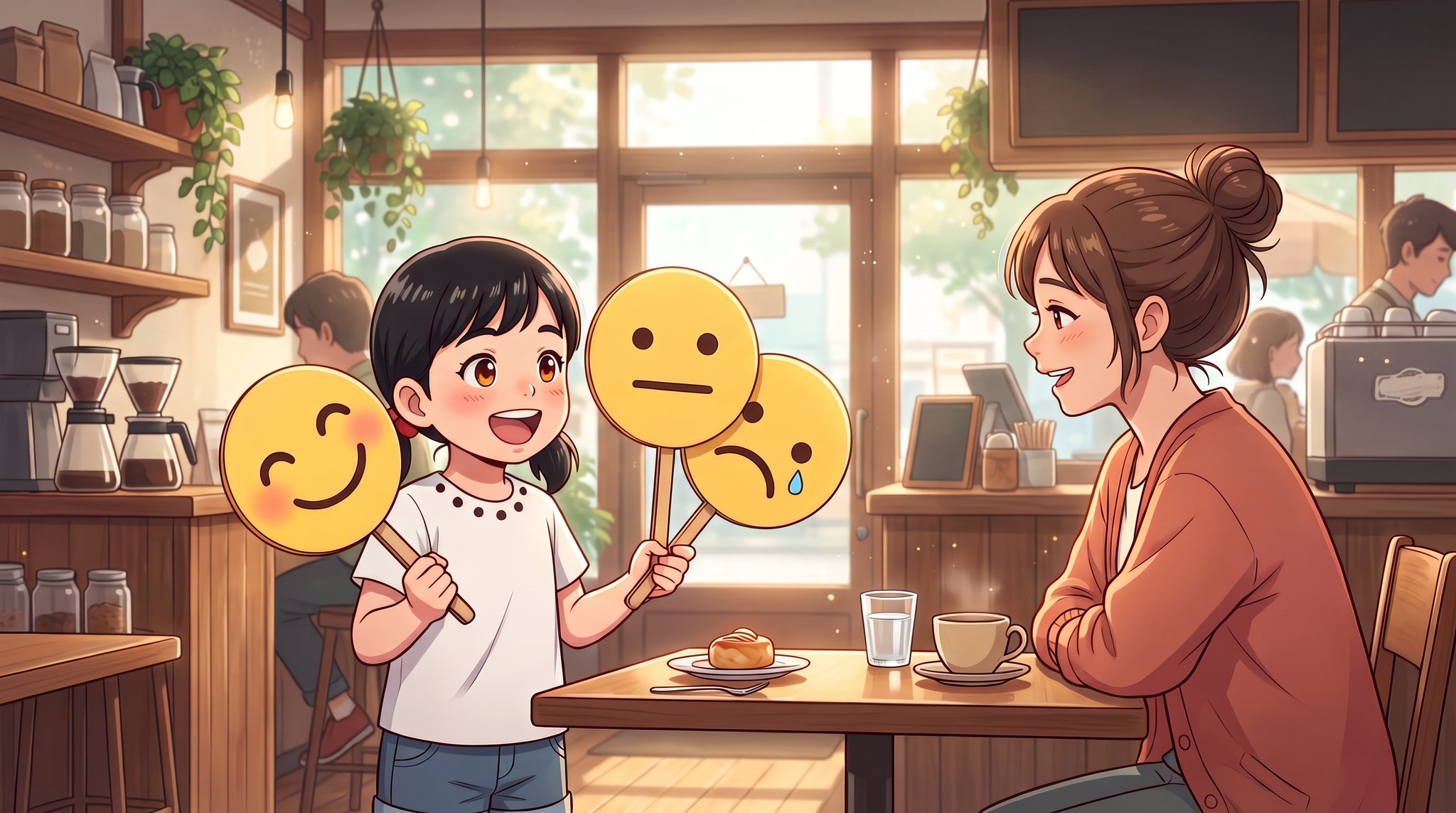
Something the customer can answer with a tap: “How was your visit today?” on a scale of 1 to 5, or three buttons such as “Great”, “OK” and “Not great”. This is the classic customer satisfaction score, often called CSAT. It measures one specific moment: a treatment, a delivery, a meeting or a support call.
The open question
Instead of “Any other comments?”, ask something that invites a concrete answer: “What could we have done better?” or “What helped you most today?” A customer who gave a middling score will often write a single sentence, and that sentence can teach you more than any average.
The recommendation question, sometimes
“How likely are you to recommend us to a friend or colleague?” on a scale of 0 to 10. This is the Net Promoter Score, or NPS. It reflects the overall relationship rather than one moment, so ask it every few months, not after every visit.
Questions to cut
- Double questions such as “Was our team friendly and professional?”, because you can’t tell which part they answered
- Leading questions such as “How much did you enjoy our excellent service?”
- Anything your CRM already knows
When is the best time to send a satisfaction survey?
Right after the moment of service, while the experience is fresh. Every day that passes, customers remember fewer details and feel less like replying. The exact timing depends on the business:
- A physiotherapy or dental clinic: an hour or two after the appointment, once the patient is home
- An online store: a day or two after the parcel arrives, not on the day of the order
- A café or restaurant: the same evening or the next morning, for customers who ordered ahead or booked a table
- A B2B service firm: at each project milestone, plus a recommendation question every few months
Also let your CRM skip anyone who received a survey recently. Nobody wants to rate every interaction.
Which channel gets the most replies?
Usually the one the customer already uses to talk to you. For many small businesses that is WhatsApp, where answering is as easy as it gets: a short message, a few buttons, one tap. No link, no form, no login.
To do this properly, use the official WhatsApp Business Platform. You send an approved message template with quick reply buttons, and only to customers who have agreed to hear from you. A WhatsApp bot can run the rest of the conversation: record the rating, ask the open question when it makes sense and say thank you.
Email suits business clients and occasional deeper surveys, SMS is a fallback for customers who don’t use WhatsApp, and a QR code on the receipt reaches walk-in customers you can’t contact any other way.
How do you set up a survey that runs itself?
- Pick one clear trigger: a completed appointment, a delivered order or a closed project, recorded in your CRM.
- Write a short, personal message with the customer’s name and the name of the person who served them. “Hi Sofia, it’s Ana from the clinic. How are you feeling after today’s session?”
- Add buttons or a short rating scale so customers can answer with one tap.
- Decide what happens after each answer: a thank you for everyone, the open question for middling scores and an instant alert to a named person for negative ones.
- Save every answer on the customer’s record, with the date, the service and who delivered it.
- Set a fixed time, for example once a week, when someone reviews the replies and decides on one change.
What should you do with survey responses?
Close the loop. Every answer should trigger an action, and every customer who replies should feel heard. A survey without follow-up is just a polite way to collect data nobody reads.
Happy customers
Thank them and, if it fits, invite them to refer a friend. If you also want public reviews, mind the rules: Google does not allow businesses to ask only happy customers for reviews or to offer incentives in exchange for them. So the review invitation should go to every customer, separately from the survey score. Our guide to getting more Google reviews covers how to ask well.
Unhappy customers
These are the most valuable replies you will get. A negative answer should alert the owner or a manager straight away, with the context: who the customer is, what they had and what they wrote. A same-day call, without arguing or making excuses, can turn an annoyed customer into one who stays. Whatever you agree goes into the CRM so the whole team knows next time.
Customers who don’t reply
Send one reminder at most, then let it go. Silence is information too: it may mean the channel or the timing is wrong for that group.
Patterns over time
Beyond individual replies, look for themes: tag open answers by topic, such as waiting time, price or quality, and compare them by service or team member. AI tools can help sort a large pile of open answers into themes, but people decide what to change. From there, customer segmentation becomes straightforward: happy customers get a referral invitation, and those who complained get a personal check-in on their next visit.
Example: a café that stopped guessing
A neighbourhood café takes pickup orders on WhatsApp. Half an hour after each pickup, the customer gets a short message: “Thanks for ordering with us today. How was everything?” with three buttons: “Great”, “OK” and “Not great”.
“Great” gets a thank you. “OK” gets one follow-up question: “What could we have done better?” “Not great” gets a short apology, and the owner gets an alert and replies personally.
After a few weeks, the owner notices that several “OK” replies say the same thing: the coffee had gone lukewarm by the time they collected it. The fix: the order confirmation now asks for a pickup time, and the barista starts the drinks a few minutes before. Without the survey, that problem would have stayed invisible, showing up only as regulars who quietly stopped ordering.
A quick customer satisfaction survey checklist
- One rating question and one open question, no more
- Sent within hours of the service, not weeks
- Delivered on a channel the customer already uses, answerable with a tap
- Every answer saved on the customer’s record
- Negative answers alert a named person immediately
- A rule stops the same customer from being surveyed too often
- Someone reviews the replies regularly and decides what changes
Closing the loop is the real survey
A customer satisfaction survey is not a form. It is a short conversation at the right moment, followed by action. Connected to the system that holds your customer records, a survey becomes part of customer retention rather than another report. At Kaede Digital we build this into a custom CRM: the bot sends the survey on WhatsApp, answers land on the customer’s record, and a negative reply reaches the phone of the person who should handle it.
FAQ
How many questions should a customer satisfaction survey have?
As few as possible. Usually one rating question and one open question are enough. To explore a specific topic, add one focused question for a limited period.
What is the difference between CSAT and NPS?
CSAT measures satisfaction with a specific moment, such as a visit, a delivery or a support call, and is asked right after it. NPS asks how likely the customer is to recommend you and reflects the overall relationship. Use CSAT for ongoing, event based surveys and NPS for a periodic check.
Should I offer a reward for answering a survey?
A small thank you for completing a survey is fine, but rewards can attract quick answers rather than honest ones, so keep it modest. Never tie a reward to leaving a review or to giving a positive score. The reward that works best is visible action on what customers tell you.
Is it OK to send surveys on WhatsApp?
Yes, when the customer has agreed to receive messages from you and you use the official WhatsApp Business Platform with an approved template. Make it easy to opt out and don’t survey people too often. Done that way, a WhatsApp survey feels like service rather than spam.
Custom CRM
Want us to build this for you?
More from the journal
 Custom CRM
The sales dashboard every owner should check each morning
Most dashboards are full of charts nobody acts on. Here are the few numbers worth checking every morning, and how to turn them into today's decisions.
 Custom CRM
SMS marketing vs WhatsApp: when to use which
SMS and WhatsApp are not rivals; they are tools for different jobs. Here is how to choose the right channel for every message, and how to connect both to one customer record.
 Custom CRM
Email marketing for small business: what works today
Email is not dead; it just stopped forgiving generic blasts. Automated emails, a clean list and a CRM connection turn it into a channel that works while you are busy.