

Customer retention: why existing customers are worth more

In short
- Customer retention is everything you do so that people who bought once come back, buy again and recommend you
- Existing customers already trust you, so selling to them is usually easier than finding someone new
- Customers rarely announce they are leaving, they simply stop showing up
- A CRM that remembers every customer, plus well timed WhatsApp messages, turns retention into a system
Customer retention is everything a business does so that people who have already bought come back, buy again and recommend it to others. Existing customers are worth more because they already know and trust you: selling to them again is usually easier and cheaper than winning someone new, and they are the ones who send you their friends. A business that keeps its customers well can grow without spending more on ads.
What is customer retention, in plain terms?
Customer retention is your answer to the question: what happens after someone buys? For many small businesses the honest answer is nothing. The customer pays, gets the product or service, and disappears until they maybe come back on their own.
A business that takes retention seriously plans that stage. It knows when each customer is likely to need it again, reminds them at the right time, checks that everything went well, and treats them like someone it knows. You do not need a retention department for this. You need organised information about every customer and a few steady habits.
Why are existing customers worth more than new ones?
Because the hard work is already done. Winning a new customer means advertising, persuading and building trust from zero. An existing customer has already been through all of that.
They already trust you
They know how you work, what the quality is like and what they will get. The doubt a newcomer feels simply is not there, so the decision to buy again is quicker and easier.
They spend more over time
A customer who keeps coming back is worth far more than their first purchase. As the relationship grows, they discover more of what you offer, and they often widen what they buy from you.
They bring referrals
Happy customers tell friends, family and colleagues. A recommendation from someone they trust arrives with credibility built in, and those are some of the easiest leads to close.
They tell you what to fix
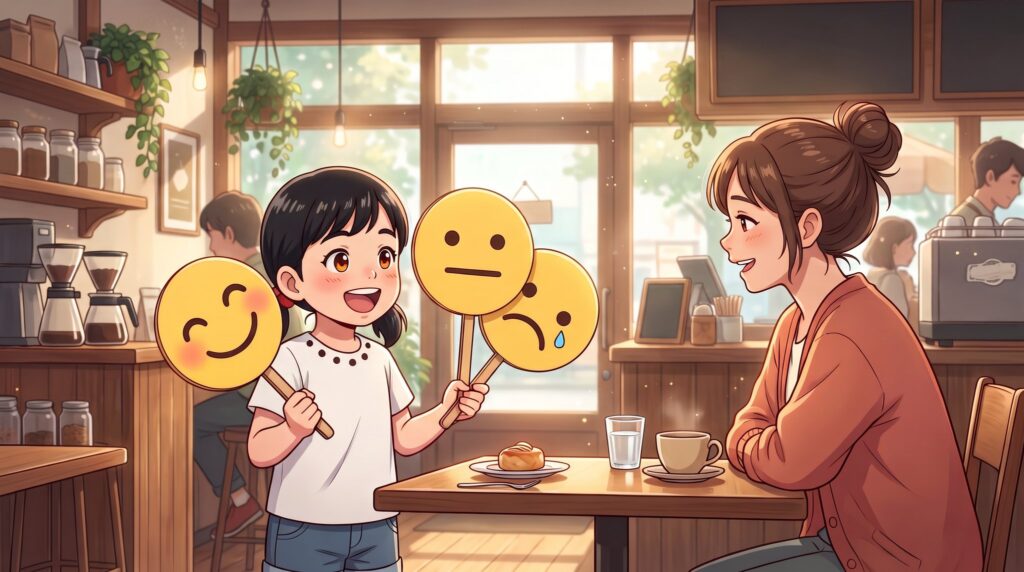
Regular customers are your best source of honest feedback: what works, what annoys them, what is missing. Listen to them and you improve the business for new customers too. A short survey after a purchase is an easy place to start.
How can you tell a customer is drifting away?
Customers rarely announce that they are leaving. They just stop showing up. That is why you need to spot the signs early, while there is still time to act:
- More time than usual has passed since their last purchase or visit
- They cancelled an appointment and never rebooked
- A complaint or support request was never fully resolved
- A business customer is ordering less, or less often
- They have stopped opening or replying to your messages
- They are asking about cancellation terms, contract end dates or competitors
Most of these signs are invisible to the naked eye. You need a system that remembers when each customer bought, what they bought and what happened the last time you spoke.
How do you build a customer retention plan?
A good retention plan is not a one off campaign. It is a routine. Here is how to build one, step by step:
- Bring every customer into one place. Contact details, purchase history, conversations and requests, all in one CRM rather than scattered across spreadsheets and phones.
- Group your customers. New, regular, lapsed, business and consumer customers each need different treatment. Our guide to customer segmentation goes deeper.
- Map the key moments. What happens right after a purchase, when the customer should come back, and what happens if they do not.
- Automate those moments. A reminder for the next appointment, a message before something runs out, a note on their birthday. See how automated customer reminders handle this without anyone having to remember.
- Ask for feedback and act on it. A short question after the service, and a quick, human response when something went wrong.
- Reward loyalty. Special treatment, a perk or early access for regulars, for example through a digital loyalty program.
- Measure and adjust. Review regularly who came back, who did not, and what made the difference.
Which moments decide whether a customer comes back?
Four moments decide whether a customer returns or quietly fades away. Plan each one in advance.
The first days after the first purchase
This is when customers decide whether they are now “your customer” or just someone who bought once. A personal thank you, a short tip on getting the most out of what they bought, and a question about whether all is well go a long way.
When it is time to come back
Every business has a natural rhythm: a haircut, a dental check up, a contract renewal, a product that runs out. A reminder that arrives at exactly the right time feels like service, not marketing.
When something goes wrong
A late delivery, a wrong order, a treatment that did not turn out as expected. A customer whose problem was solved quickly and kindly can end up more loyal than one who never had a problem at all.
When a customer goes quiet
A customer who has not returned on their usual schedule has not necessarily left. Often they simply forgot. A short personal message, with no pressure, brings many of them back.
Customer retention examples from small businesses
A dog grooming salon. The CRM knows when each dog was last groomed and how often that breed usually needs it. When the time comes, the owner gets a WhatsApp message with a booking link. If they do not book, a gentle second reminder follows later.
An accountancy firm. Ahead of each client’s busy filing period, the account manager gets a task in the CRM to check in: what documents are still missing, and whether anything has changed in the business. Clients feel looked after instead of chased.
An online coffee roaster. The store knows roughly when a bag of beans runs out. Customers who opted in get a message at the right moment with a one tap reorder link, so they never have to go looking. We cover this in detail in our article on turning first time buyers into repeat customers.
A car service garage. Before the next service or inspection is due, the customer gets a reminder with available slots. A customer who skipped their last service gets a friendly call from the team rather than a generic promotion.
Where does a CRM fit into customer retention?
A CRM is your business’s memory. It knows what each customer bought, when, from whom and what was said in every conversation, even after the employee who served them has moved on.
When the CRM is built around your business, you can set exactly the rules that fit: when a customer counts as inactive, who gets a task when a regular complains, and which WhatsApp message goes out when a renewal is due. One dashboard shows who came back, who is at risk and who needs a personal call. At Kaede Digital we build this into the CRM itself, not as yet another tool someone has to remember to open.
What should you measure?
You do not need a wall of reports. Four simple measures tell most of the story:
- Repeat customer rate: the share of customers who bought more than once
- Time since last purchase: for each customer and each group
- Churn: how many active customers stopped coming in a given period
- Customer lifetime value: what an average customer brings in across the whole relationship
Keeping customers is a system, not luck
Customer retention is one of the most rewarding ways to grow, because it works with what you already have: people who bought, got to know you and chose you. What turns it into a system rather than luck is organised customer data, planned moments of contact and messages that arrive at the right time. Custom CRM development, connected to WhatsApp and shaped around your business’s rhythm, lets you do all of this without keeping it in your head.
FAQ
What is the difference between customer retention and customer loyalty?
Customer retention is what the business does: reminders, service, follow ups and rewards. Loyalty is the result: a customer who chooses you again even when they have other options. Good retention, kept up over time, builds loyalty.
How many messages is too many?
A simple rule: every message should be useful to the customer, not only to you. A reminder about an appointment or a product running out is service. A generic promotion every few days is noise, and customers respond to noise by muting or blocking you.
Do I need a CRM for customer retention?
A very small business can start with a well kept list. Once you have more customers than you can remember, you need a system that remembers for you when each one bought and when they should come back. A CRM also lets you automate the reminders.
How do I win back a customer who has already left?
Start by finding out why they left, with a short and honest question. If the reason is something you can fix, fix it and tell them. If they simply drifted away, a personal message with a good reason to return, such as a new service or an open slot, can make all the difference.
Custom CRM
Want us to build this for you?
More from the journal
 Custom CRM
The sales dashboard every owner should check each morning
Most dashboards are full of charts nobody acts on. Here are the few numbers worth checking every morning, and how to turn them into today's decisions.
 Custom CRM
Customer satisfaction surveys people actually answer
Most surveys arrive too late, ask too much and vanish into a spreadsheet. Here is how to build a short survey customers answer, and what to do with each reply.
 Custom CRM
SMS marketing vs WhatsApp: when to use which
SMS and WhatsApp are not rivals; they are tools for different jobs. Here is how to choose the right channel for every message, and how to connect both to one customer record.