


Ecommerce promotions that sell without cheapening your brand
In short
- Good promotions have a clear reason, a defined audience and a real end date
- Gifts with purchase, bundles and free shipping thresholds lift orders without lowering product prices
- Constant sitewide discounts teach customers to wait instead of buying at full price
- New subscribers, loyal customers and lapsed buyers each deserve a different offer
- Judge a promotion by margin and by what happened in the weeks after it, not only by revenue on the day
Ecommerce promotions sell without cheapening your brand when they have a clear reason, a specific audience and a real end date. A sitewide discount that returns every few weeks teaches shoppers to wait for it. A focused offer, such as a gift with purchase, a bundle or early access for loyal customers, brings in orders while keeping the value of what you sell intact.
Most store owners reach for a discount code when a month feels slow. Sometimes it works. The trouble starts when the discount becomes the plan, because customers learn the pattern faster than you would like.
Why do constant discounts hurt your brand?
They reset what customers believe the real price is. When something is nearly always on sale, the full price starts to look like a mistake, and anyone who paid it feels a little foolish.
The damage is slow and easy to miss. Subscribers hold off until the next email arrives. Margins shrink, sometimes to nothing once shipping and payment fees are counted. And for brands built on craft, quality or design, a permanent sale says the opposite of what you want: that the product was never worth its price.
Promotions are not the problem. Running them on autopilot is.
The promotion ladder: start with value, end with discounts
Think of your options as a ladder. Start on the bottom rung, which protects your price the most, and climb only when you have a good reason.
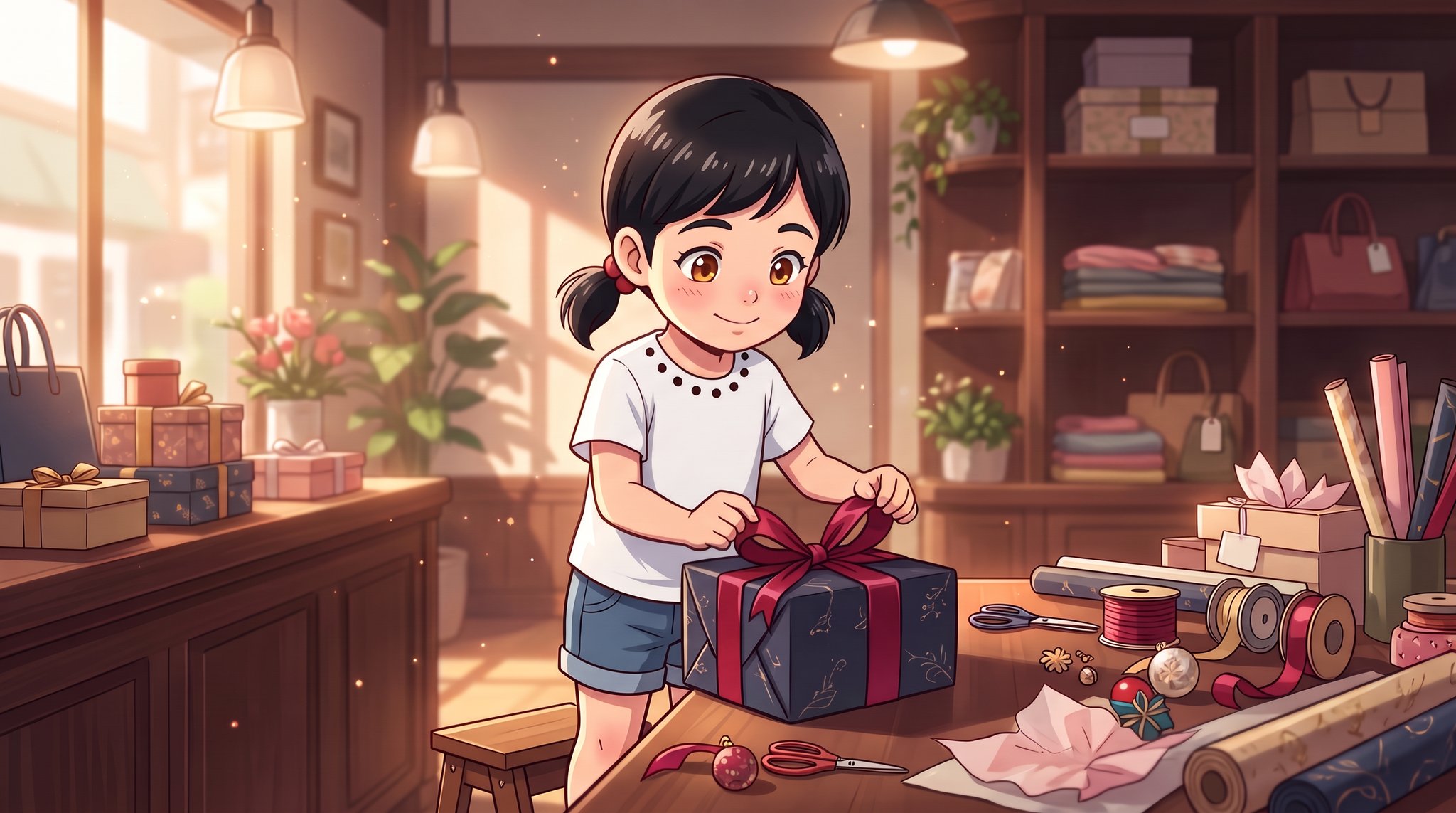
- Add value. A gift with purchase, a sample, free gift wrapping or a bundle. The customer gets more and the price stays where it is.
- Reward loyalty. Early access to a new collection, a limited edition for existing customers, or a thank you offer after a second order.
- Targeted discounts. A personal offer for one group, such as lapsed customers, sent privately rather than shown to everyone.
- Public sales. A sitewide event such as Black Friday or an end of season clearance. Powerful, but best used rarely and on a predictable schedule.
Most small stores can do the bulk of their promotional work on the first two rungs and keep the top one for a couple of moments a year.
Which ecommerce promotions work without a discount?
The offers that protect a brand best are the ones that add something rather than take something off. These formats work well for most small stores.
Gift with purchase
A small extra in the parcel. A skincare brand can include a travel size of a new serum, which also introduces customers to a product they have not tried yet.
Bundles
Two or three products that belong together, at a bundle price. A specialty coffee roaster might sell a tasting set of three single origins. Bundles raise the order value without changing the price of any individual item.
Free shipping above a threshold
Customers add one more item to reach the threshold, and the order grows. Set it slightly above your typical order value, and show in the cart how much is left to qualify.
Limited editions and early access
A small batch, a seasonal flavour, or a collection that opens first for existing customers. Exclusivity, not price, drives the purchase, and that is exactly the feeling a brand wants to build.
When is a discount the right tool?
A discount works best when it has a defined goal and a time limit. It works worst as a general fix for a slow month.
- Clearing seasonal stock that will not be restocked
- One or two annual events your customers already expect
- Winning back customers who have not ordered for a long time, with a private offer
- Encouraging a second order from first time buyers
In every case, the discount reaches a specific group for a specific reason. With good customer segmentation in your CRM, you can give each group the offer that suits it without announcing a discount to the whole world. The same thinking applies to abandoned cart recovery: a friendly reminder often works on its own, and an incentive can be saved for the shoppers who need one.
What should you decide before a promotion goes live?
Answer a handful of questions before anything is published. Skipping them is how promotions end up busy but unprofitable.
- What is the single goal: clearing stock, winning new customers, growing order value or bringing people back?
- Who receives the offer: everyone, subscribers, loyal customers or lapsed buyers?
- What is left from each order after product cost, shipping and fees?
- When does it end, and will you honour that date?
- Which channels carry it: the site, email, social, and WhatsApp broadcasts to customers who opted in?
- How will you know who bought because of it?
Fake countdown timers that reset on every visit damage trust quickly. A real end date, kept, is more persuasive anyway.
How do you know if a promotion actually worked?
A successful promotion leaves you with more profit and better customers, not just a busy day. To know, look at the weeks around it as well as the days during it.
Did sales dip beforehand because customers were waiting? Did they dip afterwards because the promotion simply pulled forward orders that would have happened anyway? How many buyers were new, and how many of those came back later at full price? How many orders were returned?
When each order lands in your CRM with its promotion code and its source, these answers come from a report rather than a guess.
How do you announce a promotion without sounding cheap?
Talk about what the customer gets, not only what they save, and keep your usual tone and design.
Compare “HUGE SALE, EVERYTHING MUST GO” with “This weekend, every order ships with a linen gift pouch”. Same idea, completely different feeling. Keep the terms clear and in one place, never invent an inflated “original” price, and leave out artificial pressure.
An example: a children’s clothing brand between seasons
A small children’s clothing brand has stock left at the end of summer and a new autumn range arriving. The reflex is a sitewide discount. Instead, it splits the problem in two.
Existing customers get a private message offering the autumn range two days early, with free gift wrapping for birthdays. The remaining summer pieces go into a clearly labelled end of season section with a time limited reduction, while the new range stays at full price. The leftover stock clears, and the new collection launches without a discount attached to it.
Promotions as a tool, not a habit
Promotions are a tool, not a strategy. Planned ahead, aimed at the right people and judged by profit, they lift sales and strengthen the brand at the same time. At Kaede Digital we build online stores where offers, codes and customer segments connect to the CRM and to WhatsApp, so each promotion reaches the people it was designed for. If you want a store that is ready for that from day one, see our approach to ecommerce website development.
FAQ
How often should an online store run promotions?
There is no single right number. Full price should be the normal state, and promotions should feel like events. Many stores do well with a few predictable sales moments a year, plus targeted offers for specific customer groups.
Are coupon codes or automatic discounts better?
Codes show you which channel each buyer came from, but they tend to leak onto coupon sites. Automatic discounts are simpler for shoppers and stop people leaving checkout to hunt for a code. Many stores combine the two: automatic offers for public events, personal codes for targeted groups.
Should I use percentage or fixed amount discounts?
On lower priced items a percentage usually sounds bigger, while on higher priced items a fixed amount often feels more substantial. Test both with your own customers and compare orders and margin, not just clicks.
Do promotions work for premium or handmade brands?
Yes, as long as they add value rather than cut prices. Limited editions, early access, gift wrapping and personalisation suit premium brands well. Deep public discounts are the format to avoid.
Online stores
Want us to build this for you?
More from the journal
 Online stores
How to turn first time buyers into repeat customers
The second order is usually the hardest one to win, and everything gets easier after it. Here is how to build the path from a first purchase to a regular customer.
 Online stores
Social commerce: how to sell on Instagram and Facebook
Shoppers discover products in their feed, ask a question by message and buy once they get an answer. Here is how to connect Instagram and Facebook to your store and WhatsApp.
 Online stores
Seasonal marketing for online stores: a year round plan
Most shoppers decide what to buy for a holiday well before it arrives. Here is how to build a seasonal calendar, prepare your store and reach customers in time.