Brand mascots and digital avatars: giving your AI a face

In short
- A brand mascot is a recurring character that represents your business everywhere, from social posts to the chatbot
- A digital avatar is the visual face of an AI assistant, and it works best when it is open about being AI
- Illustrated characters build recognition without confusing anyone, while human-looking avatars need clear labelling
- Define personality, voice and limits first, then decide what the character looks like
- A mascot only pays off when it appears consistently at every point where customers meet you
A brand mascot is a recurring character, usually illustrated, that represents your business with a name, a look and a way of speaking. When you use an AI assistant, the same character can become its face: a digital avatar that customers chat with on your website or on WhatsApp. Businesses do this because people remember characters far more easily than logos, and because an assistant with a clear personality feels like help rather than software.
What is a brand mascot, and how is it different from an avatar?
A brand mascot is the character that stands for your business across your marketing: ads, social posts, your website, sometimes packaging. A digital avatar is the visual representation of a digital assistant, the face people see when they talk to your chatbot or AI agent.
For years the two lived apart. The mascot was a marketing asset, and the chatbot was a grey box in the corner of the website. Today more small businesses merge them, so the friendly character in an Instagram post is the same one that answers a question late at night.
There are three broad options:
- Illustrated character: a drawing, a cartoon or a simple 3D figure. Nobody mistakes it for a real person.
- Realistic avatar: a human-looking face, sometimes with a synthetic voice and movement. Impressive, but it needs care.
- Human spokesperson: the founder or a real team member who appears in your content. Not a mascot, but it can work alongside one.
Why give your AI assistant a face?
Because talking to someone feels better than talking to something. A faceless chatbot reads like a form that types back. The same assistant with a name, a warm illustration and a consistent tone feels like a helpful member of the team, even when everyone knows it is software.
Recognition in a crowded feed
Most ads and posts look alike. A distinctive character makes your content recognisable in a split second, before anyone reads the caption. Over time, the character becomes a shortcut to your business in people’s minds.
One voice across many writers
Your posts may be written by you, a freelancer and an AI tool, and your chatbot writes thousands of replies on its own. A mascot with a defined voice gives everyone, human or machine, the same rules. That makes it far easier to keep AI output on brand, which we cover in our guide to brand voice for AI.
Explaining without lecturing
A character can walk people through a process, give a quick tip in a speech bubble or soften a dry policy. A physiotherapy clinic could use a friendly character to explain what happens at a first appointment, which feels lighter than a page of instructions.
Less pressure to ask
Some people hesitate to ask a salesperson what feels like a silly question. A friendly assistant that clearly introduces itself as digital makes it easier to ask about availability, delivery times or anything they did not understand.
How does a brand mascot work as an AI assistant?
It needs three layers: a look, a voice and knowledge. The look is the illustration or avatar in the chat window, the WhatsApp profile picture and your content. The voice is a written set of rules: sentence length, humour, formality, words to avoid. The knowledge is the business information the AI answers from: services, opening hours, policies and common questions.
Get all three right and the experience feels coherent. Get only the look right and you have a cute face giving wrong answers, which is worse than no face at all. That is why any WhatsApp bot for business with a character needs accurate, current knowledge before it needs a costume.
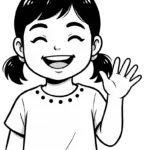
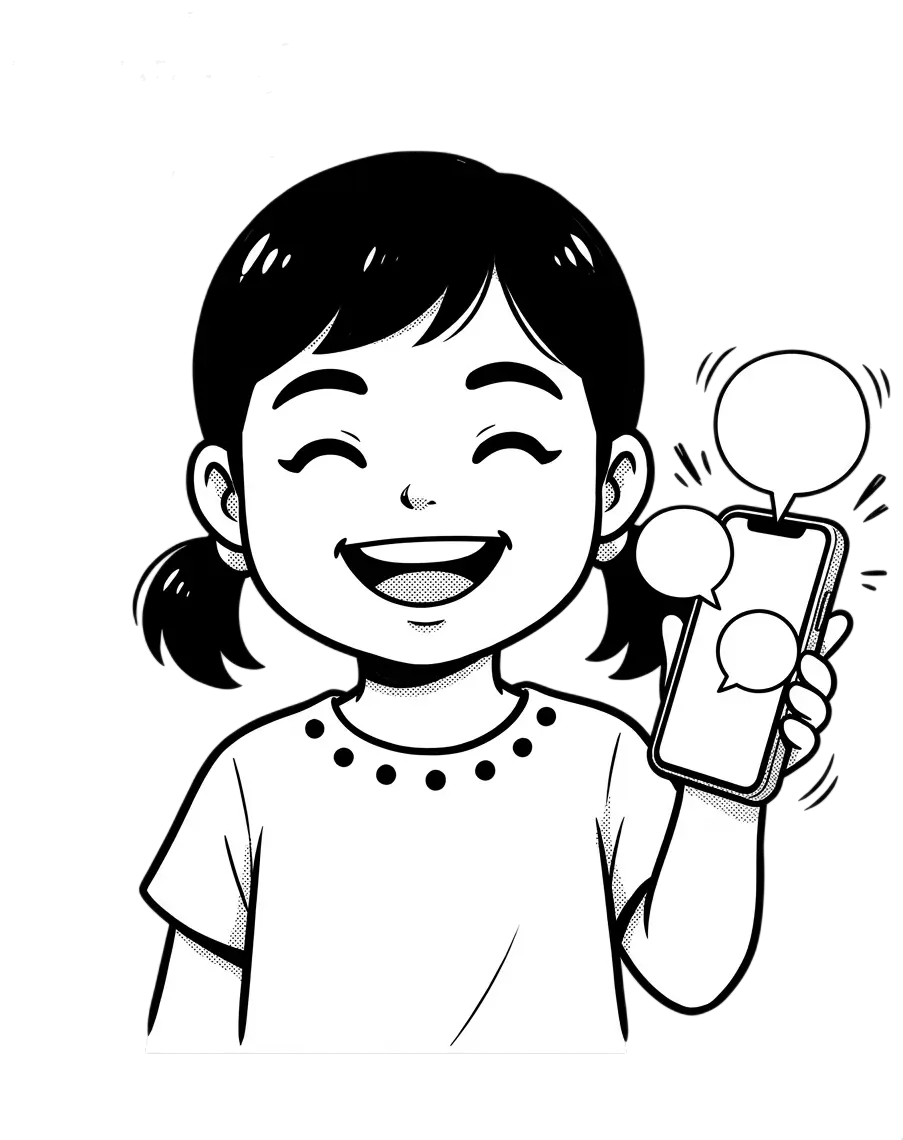
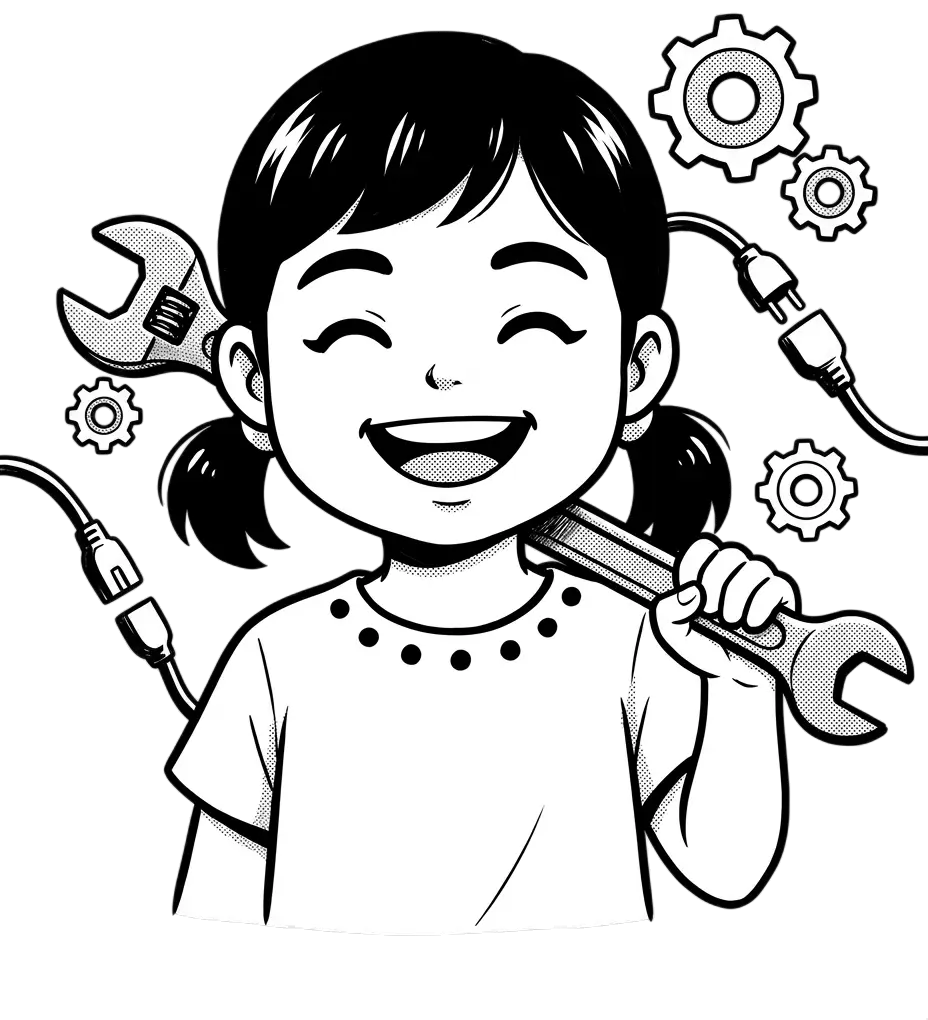
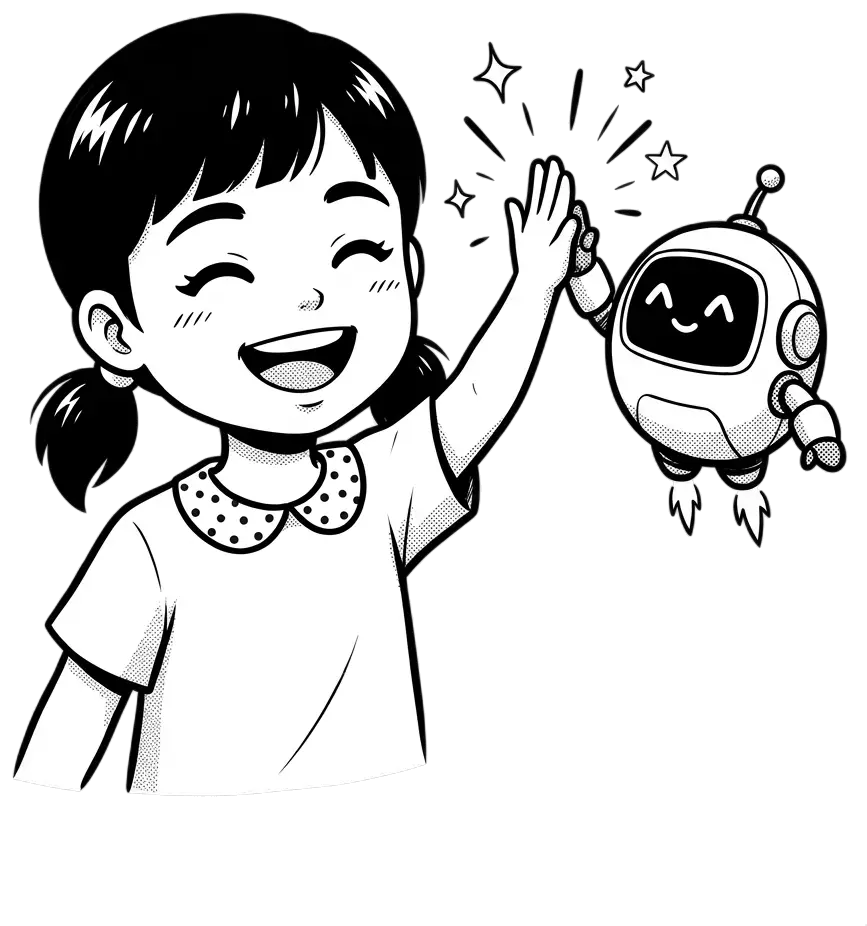
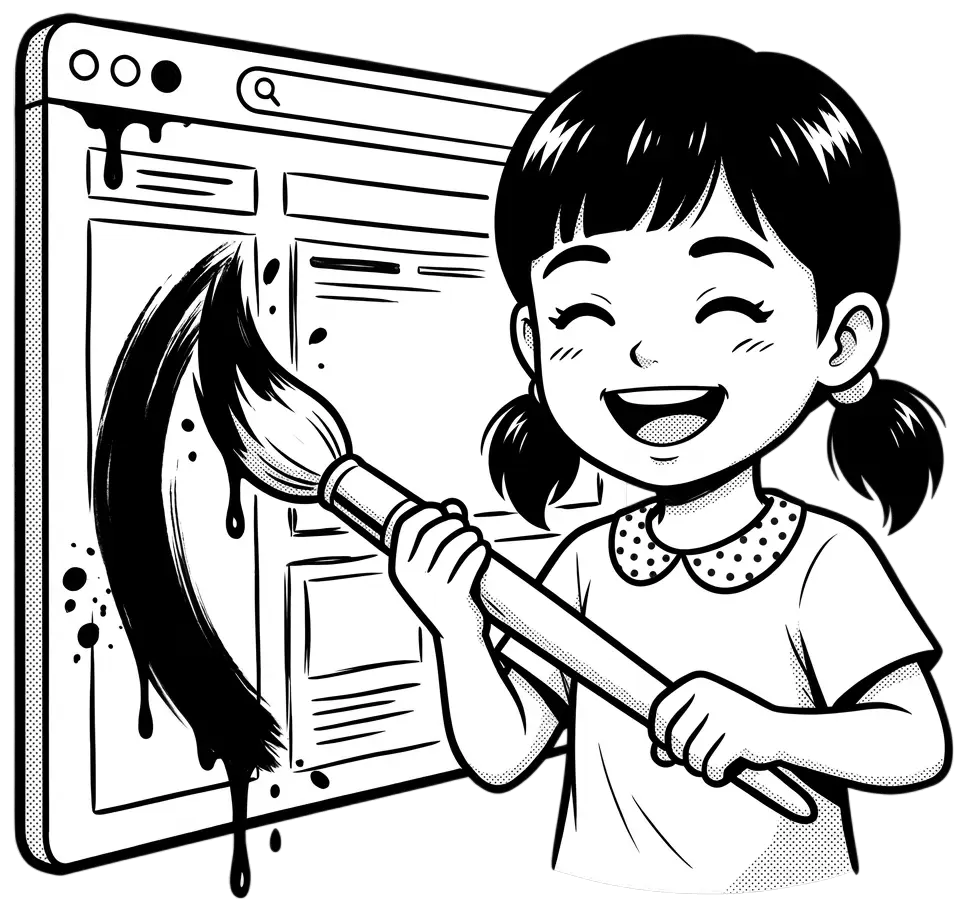
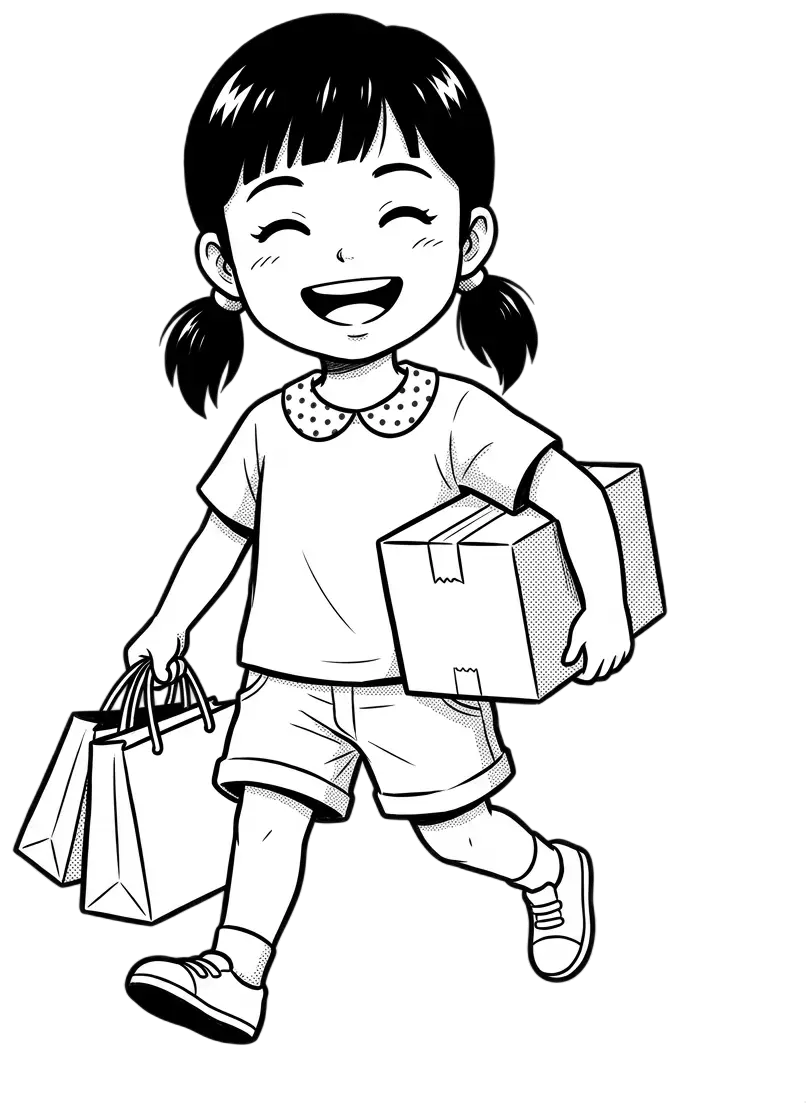
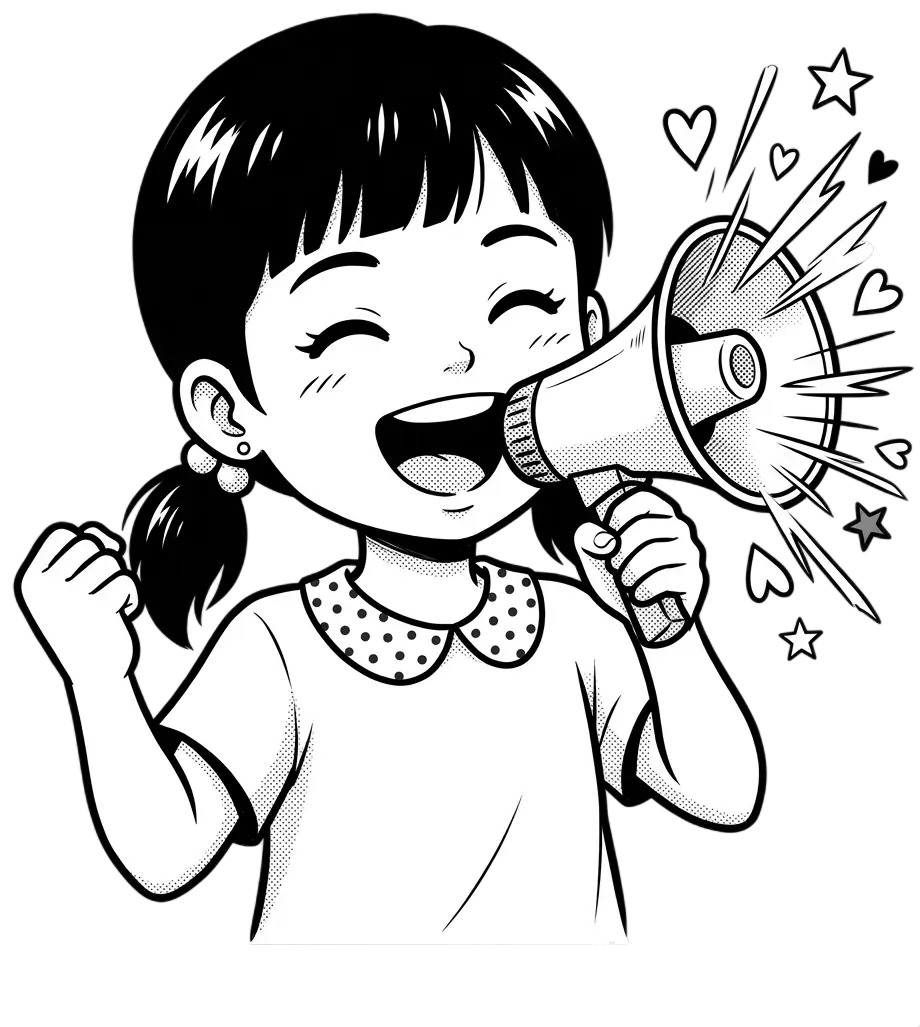
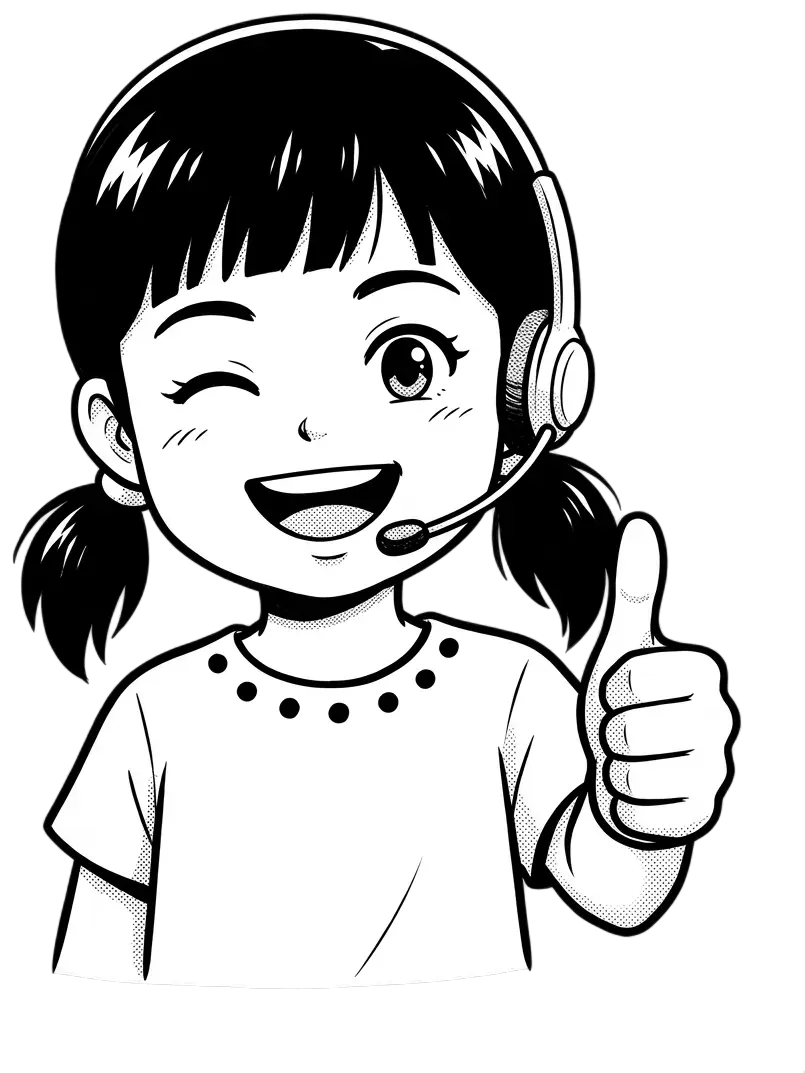
Here is how it works for us. At Kaede Digital, our mascot is Kaede, a smiling cartoon girl with pigtails drawn in black ink. Her name means maple in Japanese. She is the face of the brand on our website, and she is also the AI agent visitors can talk to. She never pretends to be a human, and that is the point: visitors know exactly who they are talking to and still enjoy the conversation.
How to create a brand mascot for a small business
- Start with personality, not drawings. Write three to five traits, such as warm, direct, slightly playful and always precise. Everything else follows from these.
- Give it a job. Will the character explain, sell, entertain or support? A mascot that does everything ends up doing nothing well.
- Write sample lines. How it greets people, how it says “I don’t know”, how it apologises and how it hands a conversation to a person.
- Design for small sizes. Your mascot will often appear as a tiny icon in a chat window or profile picture. Simple shapes and brand colours beat fine detail.
- Set boundaries. Decide which topics it avoids, when it stops and passes the conversation to a human, and how it introduces itself as an AI assistant.
- Connect it to real knowledge. Feed the assistant accurate, current information and review its answers regularly.
- Use it everywhere, consistently. Website, chat, social media, email, and packaging or signage if it fits your business.
Illustrated mascot or human-looking avatar?
For most small businesses, an illustrated mascot is the safer and smarter choice. It is clear, flexible, works at any size and never leaves anyone wondering whether they are talking to a person.
Realistic avatars can suit training videos or longer explanations, but they carry risks. Faces that are almost human can feel unsettling. Customers who discover late that the friendly presenter does not exist may feel misled. If you go realistic, label it clearly as a digital avatar, and never use a real person’s face or voice without their explicit permission. Our article on AI transparency goes deeper into what to tell customers and how.
What does a mascot look like in a small business?
A hair salon uses an illustrated stylist in weekly hair care tips on Instagram. The same character greets clients in the WhatsApp booking bot, so the tips and the appointments feel like one relationship.
An online shop selling handmade candles uses a small flame character on product pages to explain care instructions, and in the order updates it sends on WhatsApp. Instead of dry system messages, customers hear one familiar voice.
A B2B IT services company skips the cartoon. It builds an assistant with a name, a clean icon and a concise, professional voice that answers technical questions and books a call with an engineer.
A family restaurant has a cartoon chef who presents the dish of the week on social media and, in the chatbot, answers questions about opening hours, table bookings and allergens.
When a mascot is the wrong choice
Not every business needs one. If your brand is built around a real person, such as a therapist, a consultant or a photographer, their own face is the asset, and a cartoon may only get in the way. Businesses that meet customers in sensitive moments, such as funerals, legal disputes or mental health care, should think hard about whether a playful character fits the moment someone reaches out.
And a mascot never fixes poor service. If the assistant gives wrong answers or traps people in loops, a cute face only makes the frustration sharper.
Brand mascot checklist
- A name, a job and three to five written personality traits
- A short voice guide with sample lines
- An illustration that stays clear at icon size
- A clear introduction as a digital assistant, never posing as a person
- An easy route to a human at any point in the conversation
- Accurate, current knowledge behind every answer
- The same look and voice on your website, chat, social media and email
Bringing it together
A good brand mascot is not decoration. It gives your business one face and one voice across every channel, and that matters more as more of your conversations happen with AI. It works when it is honest, consistent and backed by real knowledge. At Kaede Digital we build AI assistants and WhatsApp bots with a defined personality, an on brand voice and a smooth handoff to your team. If you want to give your assistant a face, our page on AI agents for small business is a good place to start.
FAQ
Does a small business really need a brand mascot?
Not necessarily, but it helps businesses that talk to many customers through digital channels. A mascot gives your chatbot, website and social media one consistent voice and makes the business easier to remember. If your brand is built around one well known person, you may not need one.
Should a mascot say that it is AI?
Yes. An assistant that introduces itself as digital builds trust, while one that poses as a person risks losing that trust the moment customers find out. A short, friendly line in the first message is usually enough, and it does not spoil the mood.
Can we use a real employee’s photo as our avatar?
Only with their explicit written consent, and even then it is worth thinking twice. If that person leaves, customers may keep believing they are chatting with them. An illustrated character or an avatar designed from scratch avoids the problem entirely.
How long does it take to build a brand mascot?
Defining the personality, the voice and a first illustration can be a fairly short project. The real building happens over time, as the character appears again and again in the same way and you learn from how customers respond. A mascot that changes style every month never really takes hold.
AI for business
Want us to build this for you?
More from the journal
 AI for business
10 AI marketing mistakes small businesses make
AI can save a small business a lot of marketing time. Used without a method, it also produces bland content, embarrassing errors and customers who feel nobody is listening.
 AI for business
AI call summaries: using every word your customer said
In one call, a customer tells you what they need, what worries them and when they want to start. AI call summaries make sure none of it is lost once you hang up.
 AI for business
An AI knowledge assistant for your team: answers in seconds
How often does someone on your team ask a question whose answer is already written down somewhere? An AI knowledge assistant finds it in seconds, with a link to the source.